
For homeowners across the Central Belt
Leak detection
and repair in Stirling
At Leak Detection Stirling, we provide leak detection and repair for homeowners in Stirling and across the Central Belt. We investigate the signs of water damage, locate the leak and agree the repair with you before completing and testing the work. We help you stop water escaping and understand what your home needs before drying and redecoration.
We usually call back within an hour during opening hours.
Inside the investigation
Leak investigation
and repair
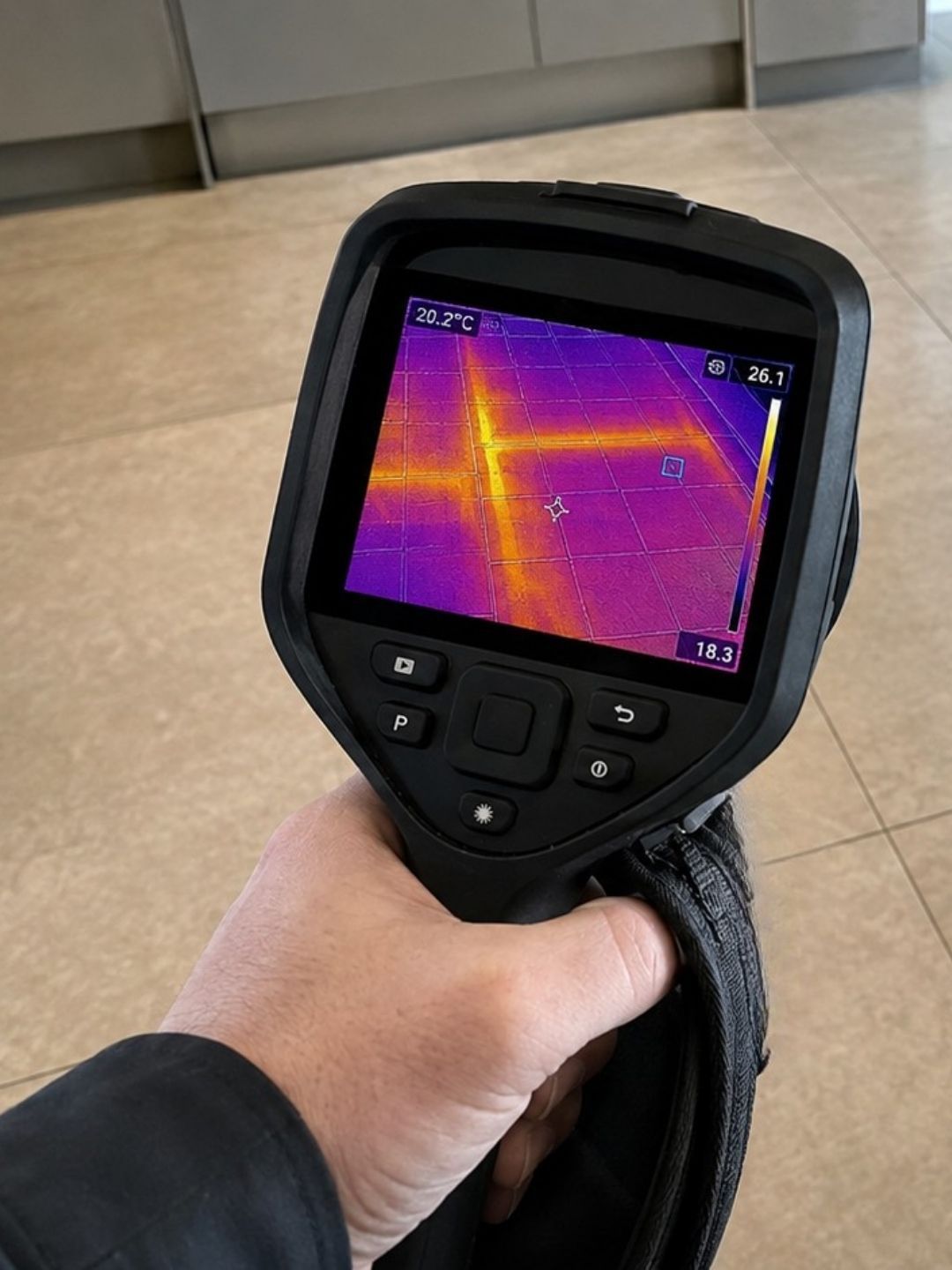
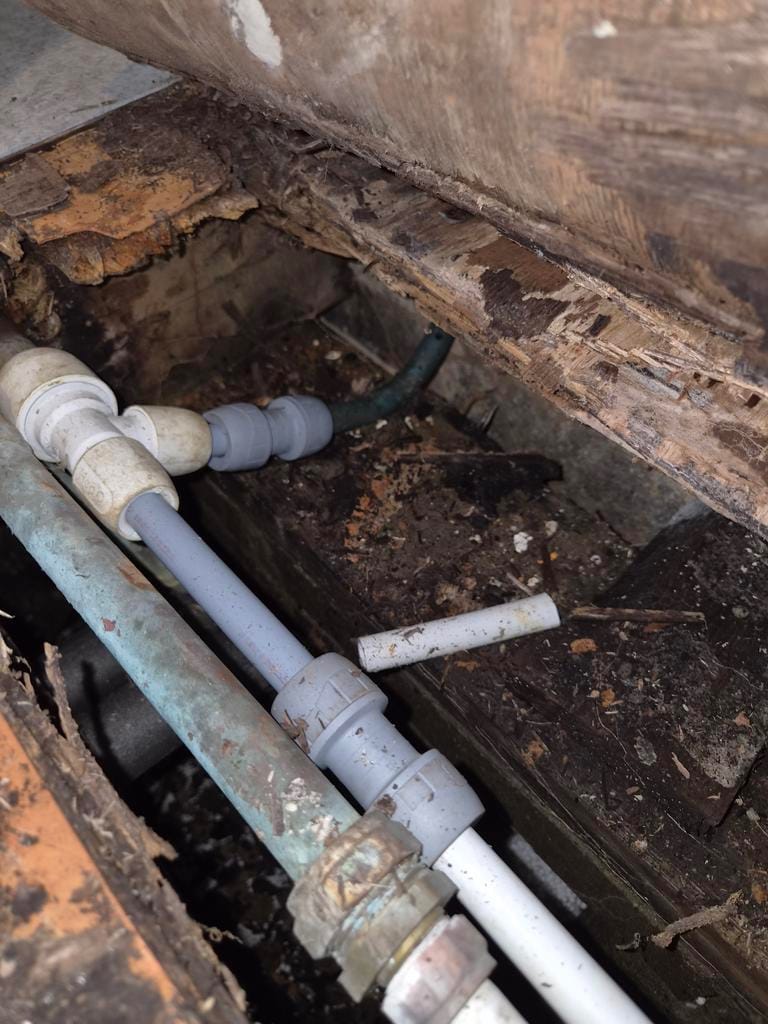
We use testing to locate the source of water loss and guide access to the pipework. We explain the findings and agree the repair with you before work begins.
Photographs from our leak detection and repair jobs. These are examples from different investigations.
Signs of a leak
in your home
Damp ceilings or walls
Stains and damp patches that keep coming back.
Wet or lifting floors
Water beneath the surface, with no obvious source.
Boiler losing pressure
Pressure loss can indicate a leak in your central heating system.
A leak that returns
The problem is still there after an earlier repair.
From first call to repair
How we find and repair your leak
Discuss the signs of a leak
Tell us what you have noticed. A leak detection engineer calls you to discuss the symptoms and investigation.
Agree a quote and visit
Get a free quote and arrange a visit at a time that works around your schedule.
We find and repair the leak
We explain the source of the leak, agree the repair and test the work. We also explain any drying or follow-up work your home needs.
Homeowner case study
Kitchen ceiling leak traced to a pipe beneath the bath
A spreading brown stain and blistering paint appeared on a kitchen ceiling, but the bathroom above showed no obvious leak. Moisture readings guided our investigation. Removing the existing bath panel revealed a burst cold-water pipe beneath the bath; water had travelled along the pipe before dripping onto the ceiling. We isolated the supply, replaced the leaking pipe and restored the water to test the repair. No further leakage was observed during testing, and we refitted the panel. We explained the repair and advised that the ceiling still needed assessment and drying before redecoration.
In the homeowner’s words
“Having someone who could both find the leak and fix it made things much easier. They also explained that the ceiling still needed to be assessed and dried before we could decorate. Just relieved to know what was causing the problem and get the leak stopped.”
Homeowner · kitchen ceiling leak
Leak detection services
Leaks in heating systems
and water supplies
Heating and concealed pipework
We investigate central heating leaks, including pipework beneath floors and behind walls.
Heating leak detectionMains and underground leaks
We locate water supply leaks in underground pipework to identify where access and repair are needed.
Underground leak detectionBathrooms and showers
We investigate bathroom leaks, including water damage on the ceiling of the room below.
Bathroom leak detectionAreas we serve
Leak detection across the Central Belt
We provide leak detection and repair in Stirling, Glasgow and Edinburgh, and across the Scottish Central Belt. Give us your postcode so we can confirm coverage and arrange a visit.
Commercial leak detection
We also investigate leaks in commercial and managed buildings.
Commercial leak detection →Quotes, repairs
and appointments
Leak detection and repair
We find and repair leaks. The engineer explains the work and agrees the cost with you before carrying out the repair.
Quotes and repair costs
Every job is different. We provide a free quote for the agreed work before it begins. If the repair scope becomes clear after finding the source, we agree that cost before repairing it.
Callback and appointment times
We usually call back within an hour during opening hours and arrange the earliest suitable appointment around your schedule. We are open Monday to Friday, 8am to 6pm, and Saturday, 9am to 4pm. You can request a callback outside these hours.
Access to floors and walls
We use the investigation findings to decide where access is needed. The engineer will explain any opening-up and the agreed repair work before proceeding.
Speak to us about your leak
Tell us where you have noticed water damage or pressure loss. We will discuss the investigation and quote.
We usually call back within an hour during opening hours.
Monday to Friday, 8am to 6pm · Saturday, 9am to 4pm