Persistent pressure drops, unexplained radiator cold spots, and damp patches near pipework are often signs of a hidden heating system leak. We locate the source accurately and, where repair is within scope, we can often deal with that at the same visit.
Diagnostic
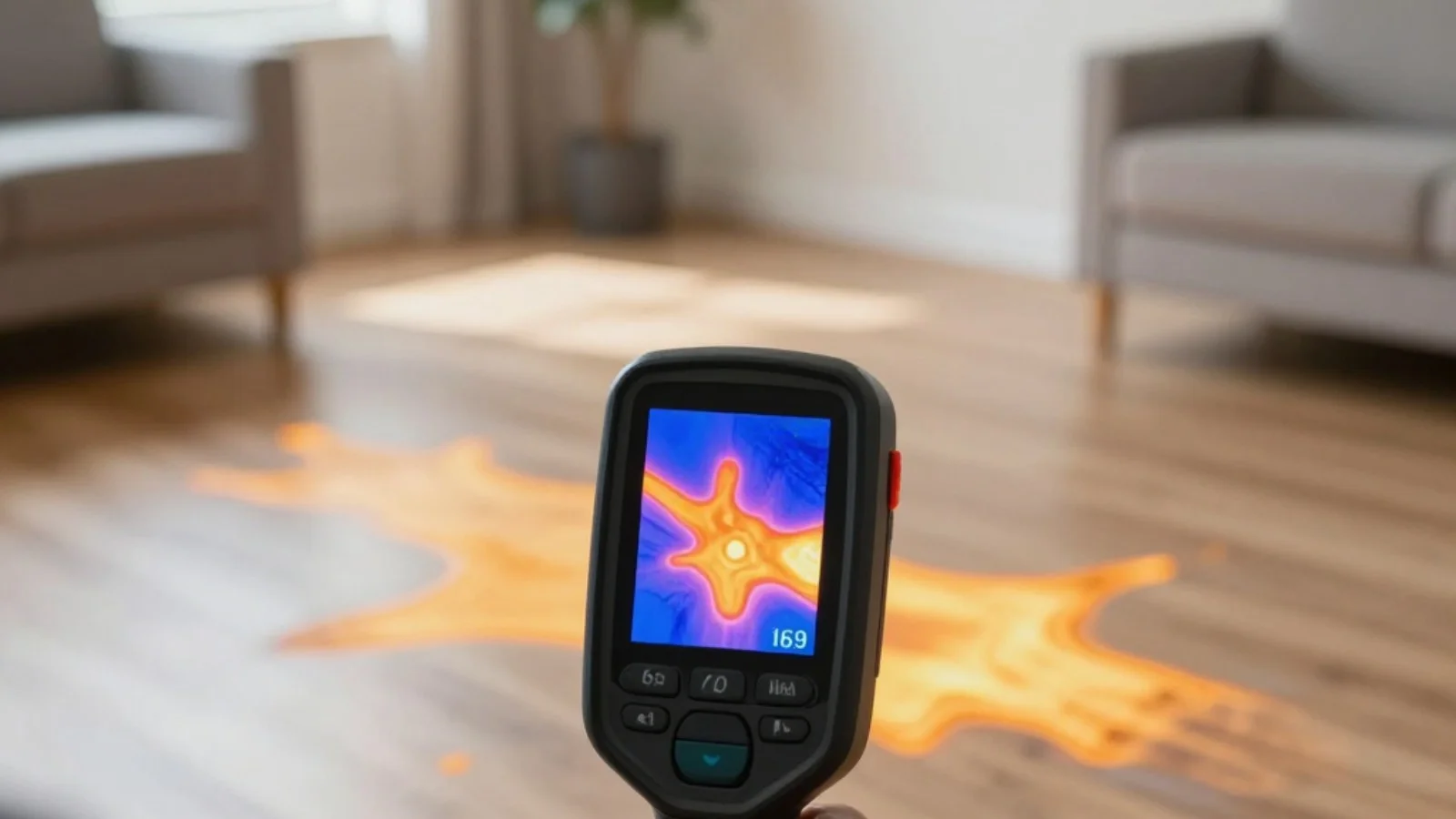
The leak was not visible on the surface. The thermal pattern showed exactly where to investigate.
Serving Stirling, Glasgow, Edinburgh and the wider Central Belt. Clear written findings, photos, and trace and access documentation where required.
Written findings with photos
Non-invasive methods
Homeowners & commercial
Central Belt · Call or request online
Recognise Your Problem
Does Your Boiler Keep Losing Pressure? Here’s Why It’s Harder Than It Looks
If your boiler keeps losing pressure and nobody can find an obvious leak, that usually means the problem is hidden somewhere within the sealed heating system rather than at a visible fitting.
A general pressure test can confirm that water is being lost. It does not usually show where that loss is happening. That is where specialist leak detection becomes the next sensible step.
What you’re seeing and what it may point to
Boiler pressure drops overnight but there are no visible drips
A small leak in concealed heating pipework, sometimes beneath a floor or within a wall
The boiler has been topped up repeatedly with no lasting fix
The system is losing water somewhere a standard inspection cannot reach or confirm
A warm patch or damp area appears near a floor, skirting, or boxed-in pipework
Pressurised heating pipework may be leaking into surrounding material
Radiators are not heating properly or keep needing bled
Air may be entering the system because water is escaping from a hidden point
Damp appears on a lower wall, ceiling below, or around a pipe route
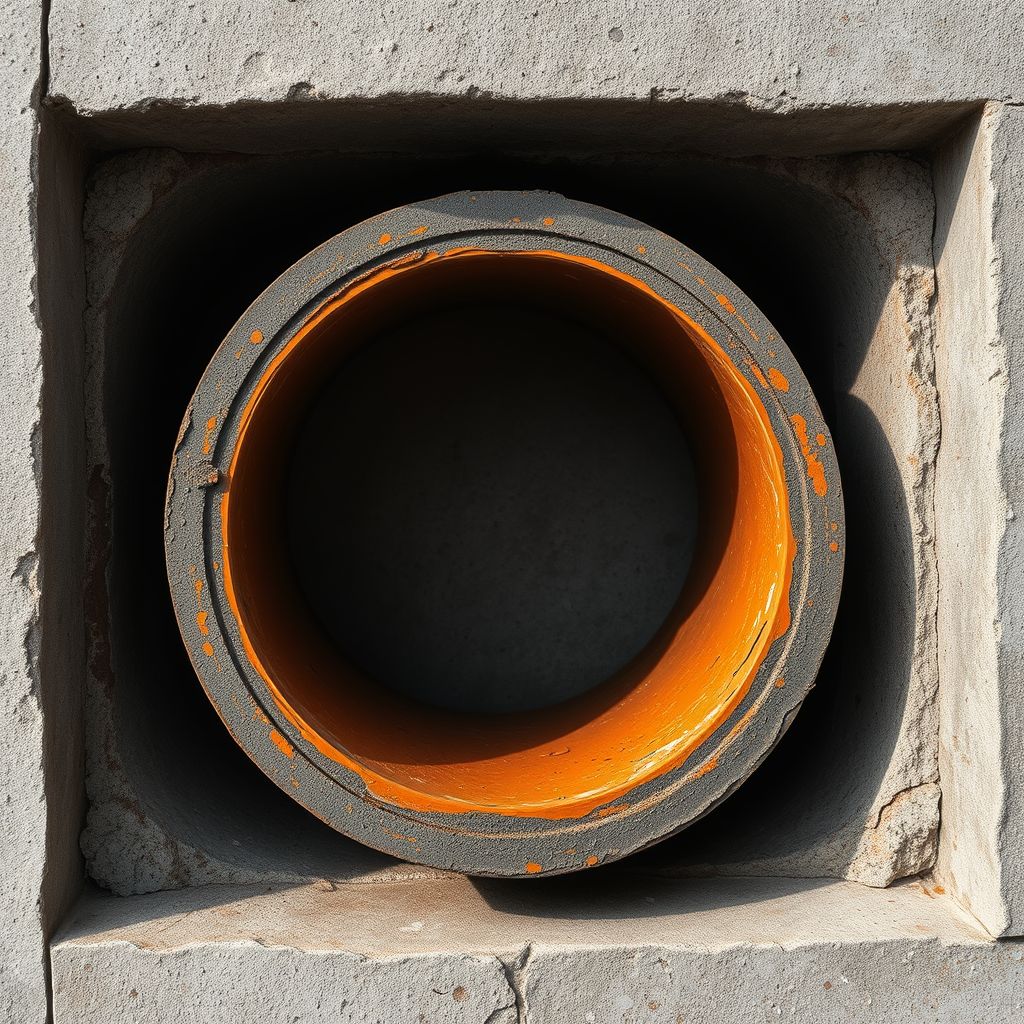
Heating pipework concealed within the structure may be failing
A sealed heating system should not keep losing pressure without a reason. If it does, and visible joints, radiator valves, and the boiler itself have already been checked, hidden pipework becomes the obvious place to investigate next.
Central Belt note:
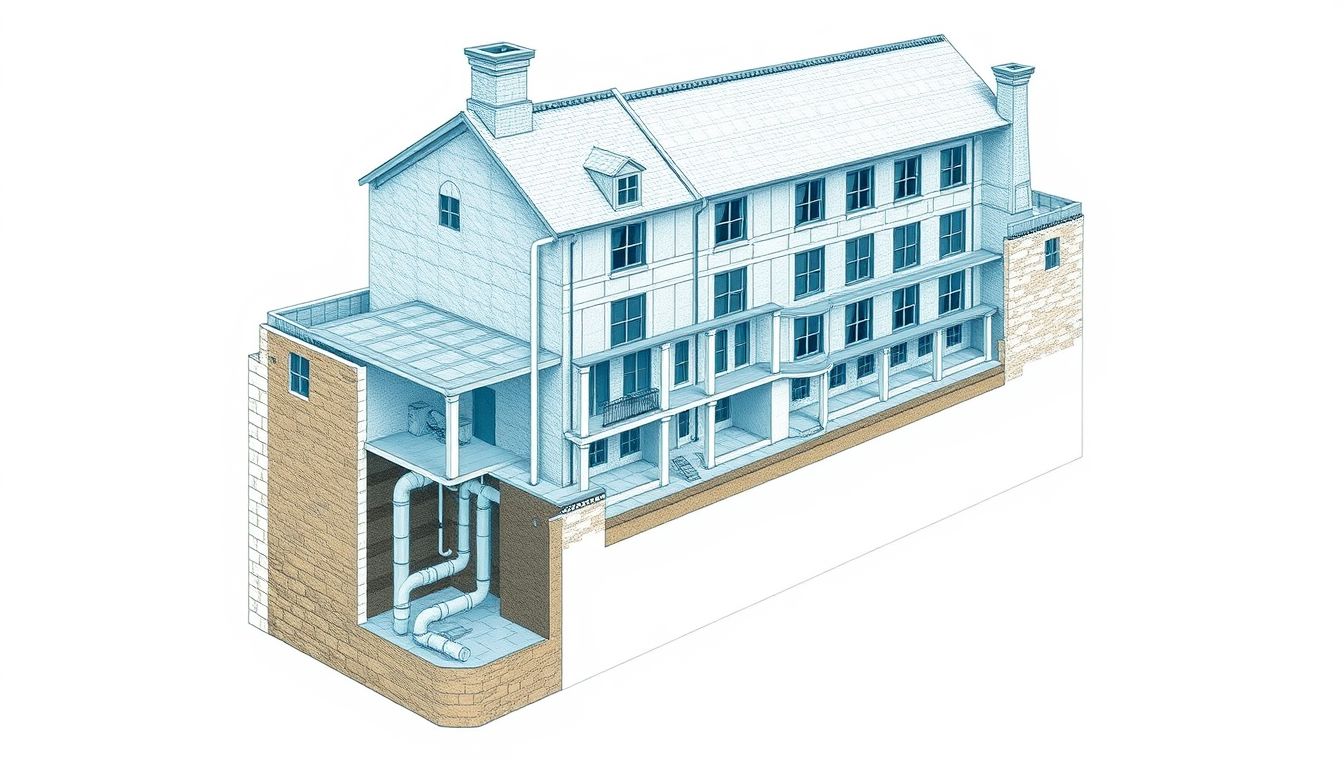
In older Glasgow tenements and Edinburgh flats, heating pipes are often concealed beneath suspended timber floors, within original wall voids, or routed through awkward retrofitted spaces. In newer Stirling and commuter-belt homes, the issue is often screeded floor runs or underfloor heating circuits. In both cases, the leak can remain invisible for far longer than most people expect.

Quick Explanation
Why Your Plumber Couldn’t Find It — And Why That’s Not Their Fault
This is one of the most common reasons people contact a leak detection specialist. A general plumber is usually the right first call when there is a visible leak, a failed valve, or a clear fault at the boiler or radiator. But hidden heating leaks are different. They often sit beneath screed, under floorboards, inside wall cavities, or along buried pipe runs where normal inspection does not reach. The difference is not competence. It is the type of work being done.
A standard plumber can usually: - confirm the system is losing pressure - inspect visible joints, valves, radiators, and the boiler - repair obvious faults once they are exposed
What specialist leak detection adds is the ability to locate a hidden fault before floors or walls are opened up unnecessarily. Depending on the property and the symptoms, that may involve thermal imaging, tracer gas, acoustic testing, and moisture mapping.
When it makes sense to call a specialist
You are usually past the point of a standard plumbing visit when:
1. the boiler has been topped up several times and the pressure still falls
2. no visible leak has been found
3. a plumber suspects concealed pipework but cannot pinpoint the source
4. the property has screed floors, underfloor pipework, boxed-in runs, or older concealed heating routes
5. you need written findings for a trace and access claim or insurer query
Our Process
How We Locate Central Heating Leaks — Without Guessing
The aim is simple: identify the source before any unnecessary opening-up begins. That reduces guesswork, avoids repeat call-outs, and gives you a clearer repair plan. This method-led approach is central to the brand positioning and service-page structure set out in your project files.
01
System pressure testing
We begin by confirming whether the heating circuit is losing pressure and how quickly. That helps us understand the severity of the problem and guides the rest of the investigation.
02
Thermal imaging survey
We scan likely routes through floors, walls, and adjacent surfaces using thermal imaging. Where heated water is escaping into surrounding material, it can create a temperature pattern that is invisible to the eye but visible on camera.
03
Tracer gas detection
Where the leak is likely to be beneath screed, within a solid floor, or along a concealed pipe run, tracer gas can be the clearest method. A safe inert gas is introduced into the isolated system, and specialist sensors detect where it escapes at surface level. This is particularly useful for small leaks that do not show obvious water loss on the surface.
04
Acoustic testing where appropriate
For some systems and pipe runs, acoustic equipment helps us listen for the sound of water or gas escaping under pressure. This can be especially useful in older properties with more traditional heating layouts.
05
Pinpointing the access area
Once we have narrowed the source down, we explain what access is needed. In many cases that means a small, targeted opening rather than broad exploratory work.
06
Findings, repair, and documentation
We explain what we found, whether repair is within scope there and then, and what the next step should be if additional access or reinstatement is needed. You also receive written findings and photos, which can be useful for your own records and for trace and access documentation where relevant.
Important: If we complete the survey and cannot identify an active leak, we will explain what we found, what it may mean, and what the next sensible step is. That level of honesty is required by the style guide and brand rules, and it builds more trust than pretending every investigation ends the same way.
Central Heating Leaks in Scottish Homes — We Know the Stock
Glasgow tenements
In Victorian and early twentieth-century flats, heating pipework may run beneath suspended timber floors, through original joist spaces, or behind later refurbishments. Water can travel before it becomes visible, so the damp patch you see is not always directly above or beside the source. That is one reason location evidence matters so much in tenement buildings.
Edinburgh flats and older conversions
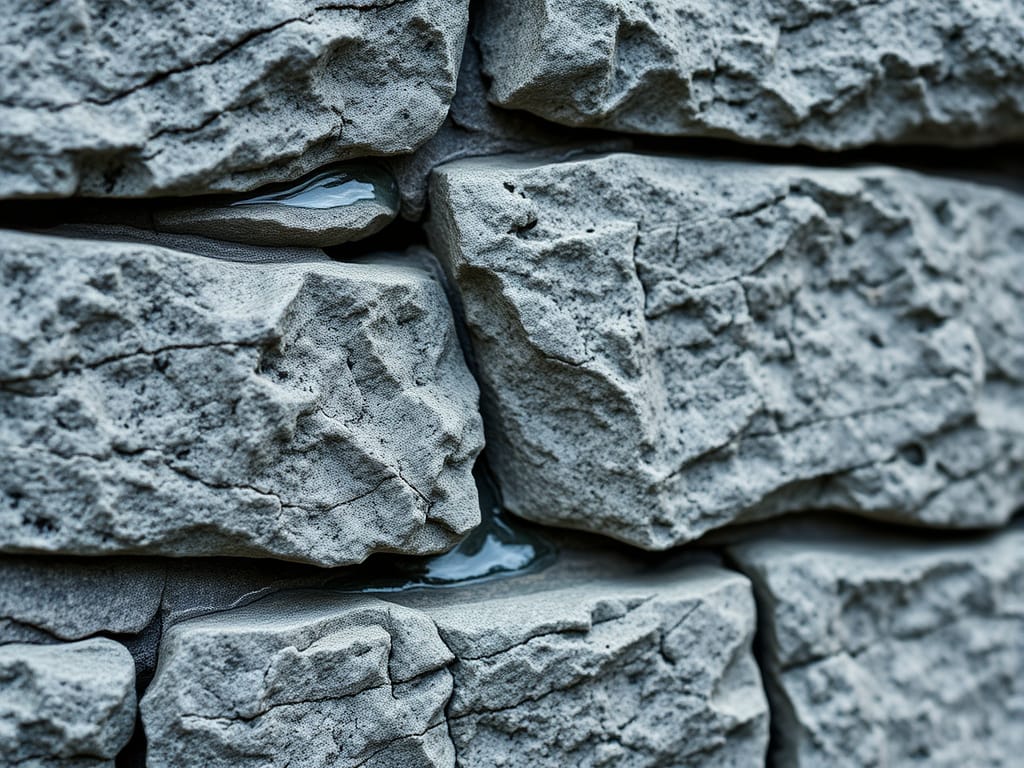
Thick walls, basement levels, boxed-in services, and restricted access all change how a heating leak behaves and how it should be investigated. The right approach is usually to test first, then open up only where the evidence points.
Stirling and newer Central Belt homes
Newer properties often have pipework concealed in floor zones, behind fitted interiors, or within screed. When a sealed system pressure drop has no visible explanation, targeted detection is usually more effective than trying repairs by elimination.
Rented properties and managed homes
If you are a landlord or letting agent dealing with a tenant complaint about damp, pressure loss, or a recurring leak, documented investigation matters. It helps show what was investigated, what was found, and what repair or next step followed. That is increasingly important in the Scottish compliance context.
System Diagnosis Guide
Central Heating Leak or Underfloor Heating Leak?
Many people use these terms interchangeably, but they are not always the same problem.
Boiler pressure drop, cold zones in the floor, poor heat distribution
03
Likely Detection Approach
Central Heating
Thermal imaging, tracer gas, acoustic testing
Underfloor Heating
Tracer gas and thermal imaging are often the main methods
04
Access Approach
Central Heating
Targeted floor or wall access once confirmed
Underfloor Heating
Targeted screed access once the leak is narrowed down
Next Steps
If your system includes floor-heating loops, route visitors onward to the dedicated page. If the issue is pressure loss on a radiator-based system, this page is the right starting point.
Radiator-based system → This page
Floor loop system → UFH page
Leak Detection Reference
Insurance & Coverage
Will Your Insurance Pay?
Central Heating Leaks and Trace and Access
When a central heating leak goes undetected inside a wall, floor, or ceiling, the cost of finding it can rival — or even exceed — the cost of fixing it. Home insurance policies vary enormously in what they will and won't cover, and trace and access is one of the most misunderstood benefits in a standard buildings policy.
Understanding exactly what your insurer expects — and what evidence they require — can be the difference between a settled claim and a disputed one. This section explains what you need to know before any work begins.
Definition
T
noun · insurance terminology
'Trace and Access'
Carefully locating the source of a hidden leak and opening up the necessary area to reach it. This is the investigative work before any repair, and it is this work that a trace and access clause covers.
Documentation Checklist
5
Required Documents
What our engineer's report should include for a valid claim:
Written Findings
Full written report of the engineer's assessment
Photos
Affected area and confirmed leak source
Methods Summary
Detection techniques and equipment used
Record of Access
Exactly what was opened and why
Repair Notes
Recommended remedial action documented
That is the kind of documentation a reputable specialist will provide as standard. Without it, insurers may request further evidence, delay settlement, or decline the trace and access element of your claim. Always request a full written report before the engineer leaves site.
Important
Before authorising broad exploratory work, check whether your policy includes trace and access. Random opening-up by elimination is exactly what many policyholders are trying to avoid — and what a properly conducted trace and access survey is specifically designed to prevent.
Further Reading
Guidance tailored to Scottish property law and insurer expectations.
We will give you a clear cost indication once we understand the property type, the symptoms, and what level of investigation is likely to be needed. We always agree scope before starting.
What the investigation cost covers will usually include: - diagnostic testing of the heating system - the detection methods appropriate to the suspected leak location - explanation of findings on site - written findings and photos after the visit - a repair recommendation, or repair where that is within scope
Repair work, reinstatement, flooring replacement, plastering, tiling, drying, and decoration are separate matters where they fall outside the agreed leak detection and plumbing repair scope.
The most likely reason is a small leak somewhere in concealed heating pipework. That could be beneath a floor, inside a wall, or at a hidden joint. If visible components have already been checked, specialist detection is often the next step.
If your heating system keeps losing pressure and nobody has been able to show you where the problem is, the next sensible step is to locate the source properly before more damage, more guesswork, or more repeat call-outs.
Serving Stirling, Glasgow, Edinburgh and the wider Central Belt.