Leak Detection Across Glasgow, Edinburgh & Stirling
Why Choose Our Leak Detection Service?
-
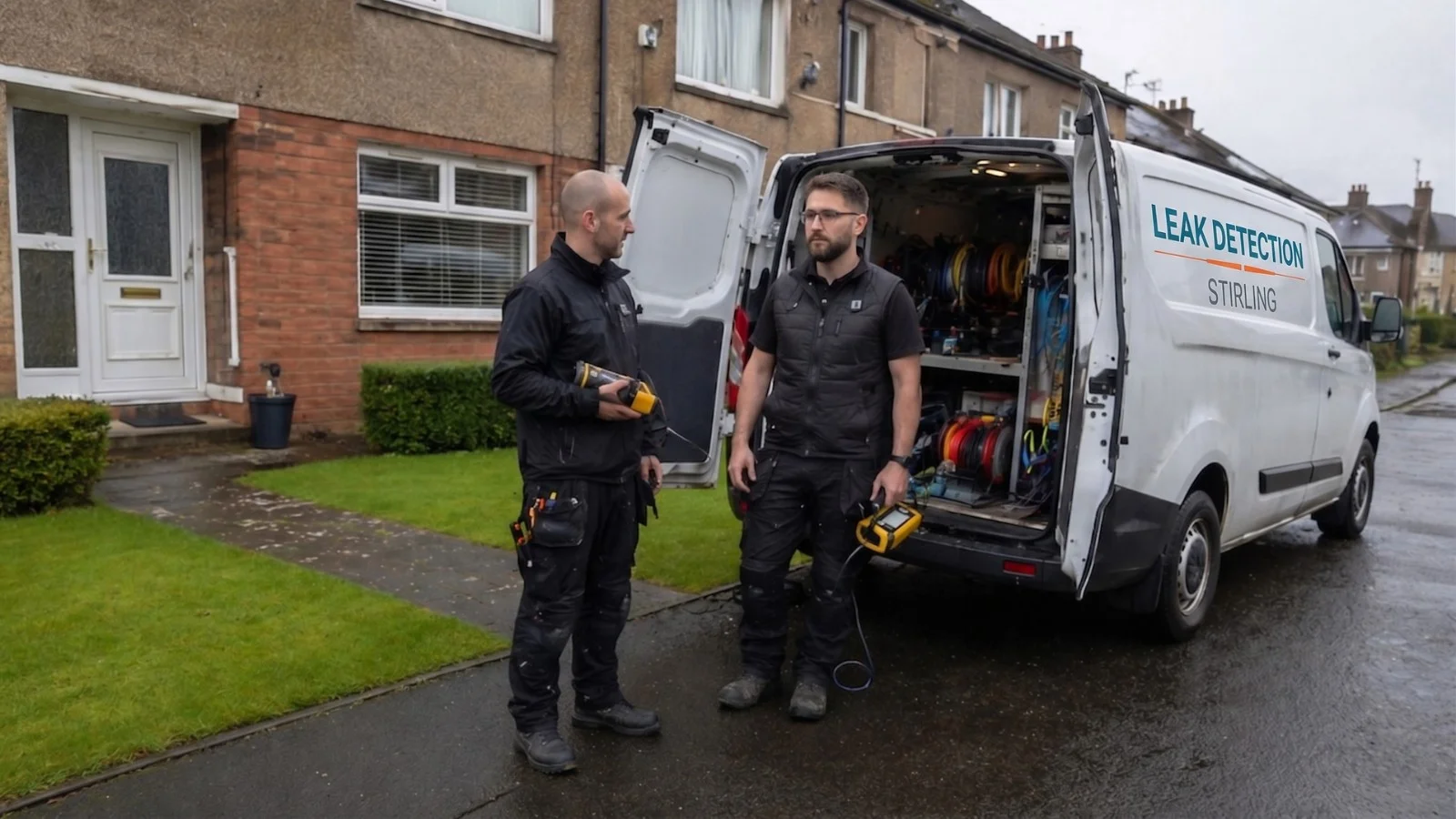
Pinpoint Accuracy: We use cutting-edge tools like thermal imaging camera and acoustic listening devices to locate leaks quickly and precisely.
-
Save Time & Money: Avoid unnecessary repairs and repeated plumber visits. We find the source on the first visit in most cases.
-
Insurance-Ready Reports: Get detailed findings with photos and documentation your insurer will accept.
-
Stress-Free Process: No guesswork, no unnecessary damage, just clear answers and next steps.
Book Your Leak Detection Today And Protect Your Home from Hidden Water Damage!
Signs you may have a hidden leak
A hidden leak does not always look dramatic at first.
More often, it starts as something that feels easy to dismiss: a damp patch that does not fully dry, mould that keeps returning, a boiler that keeps losing pressure, or a room that never quite smells right. The problem is that the visible sign is not always where the leak begins.
The signs below are not there to alarm you. They help you recognise when the issue may need proper investigation.
Damp patches or water staining that keep coming back
A patch on a ceiling, wall, or floor that returns after drying out usually means moisture is still reaching that area. The source may be nearby, but it may also be travelling through the structure before it becomes visible.
Mould appearing in the same place despite cleaning
If mould keeps returning in one area, especially away from obvious steam-heavy rooms, there may be an underlying moisture problem feeding it. Cleaning the surface may remove the symptom for a while, but it does not deal with the cause.
Boiler pressure dropping repeatedly
If your heating system keeps losing pressure and there is no obvious leak around radiators or valves, water may be escaping somewhere hidden within the system. This is one of the most common reasons people end up needing a proper leak investigation.
A persistent musty smell or a room that always feels damp
Sometimes the first sign is not what you see, but what you notice about the room itself. If a space smells damp, feels clammy, or never seems to dry properly, hidden moisture may be building up behind surfaces or beneath flooring.
Warped skirting boards, lifting flooring, bubbling paint, or peeling wallpaper
These are often signs that water has been present for longer than you think. By the time finishes start to distort, moisture has usually already moved into surrounding materials.
Warm or cold areas underfoot
Unexpected temperature differences in the floor can point to leaking pipework below the surface, particularly where heating pipework or buried water pipes are involved. The area you feel is not always the exact point of escape, but it is often a useful clue.
A leak that seemed to be repaired, but the same signs have returned
This is one of the clearest indicators that the underlying source may not have been fully confirmed. Many homeowners contact a leak detection specialist after a standard plumbing visit has dealt with the obvious symptom, but not the actual cause.
Water marks, dampness, or staining in a flat with no clear explanation
In tenements and flats, the source may not be in the room where the damage appears. Water can travel from another flat, shared pipework, or a common area before it shows itself. Until the source is traced properly, it is often impossible to know whose responsibility it is.
Why acting on these signs matters
A hidden leak rarely stays contained.
Water moves through plaster, flooring, voids, and structural materials long before the source becomes obvious. What starts as a small patch or recurring smell can become wider damage if the cause is left unresolved.
That does not mean every sign points to a major leak. It means recurring signs are usually worth understanding properly.
A professional leak detection visit is designed to locate the source before unnecessary opening-up begins. Using methods such as acoustic testing, thermal imaging, tracer gas, and moisture investigation, we work to identify where the water is coming from and what the next step should be. Where repair is within scope, we can often complete that as part of the same job. We also provide written findings and photos where needed.
Recognised one or more of these signs?
Request a leak detection visit. Or call first and describe what you are seeing.
Why Hidden Leaks Are Easy to Miss
A hidden leak does not usually present as a clean, obvious fault.
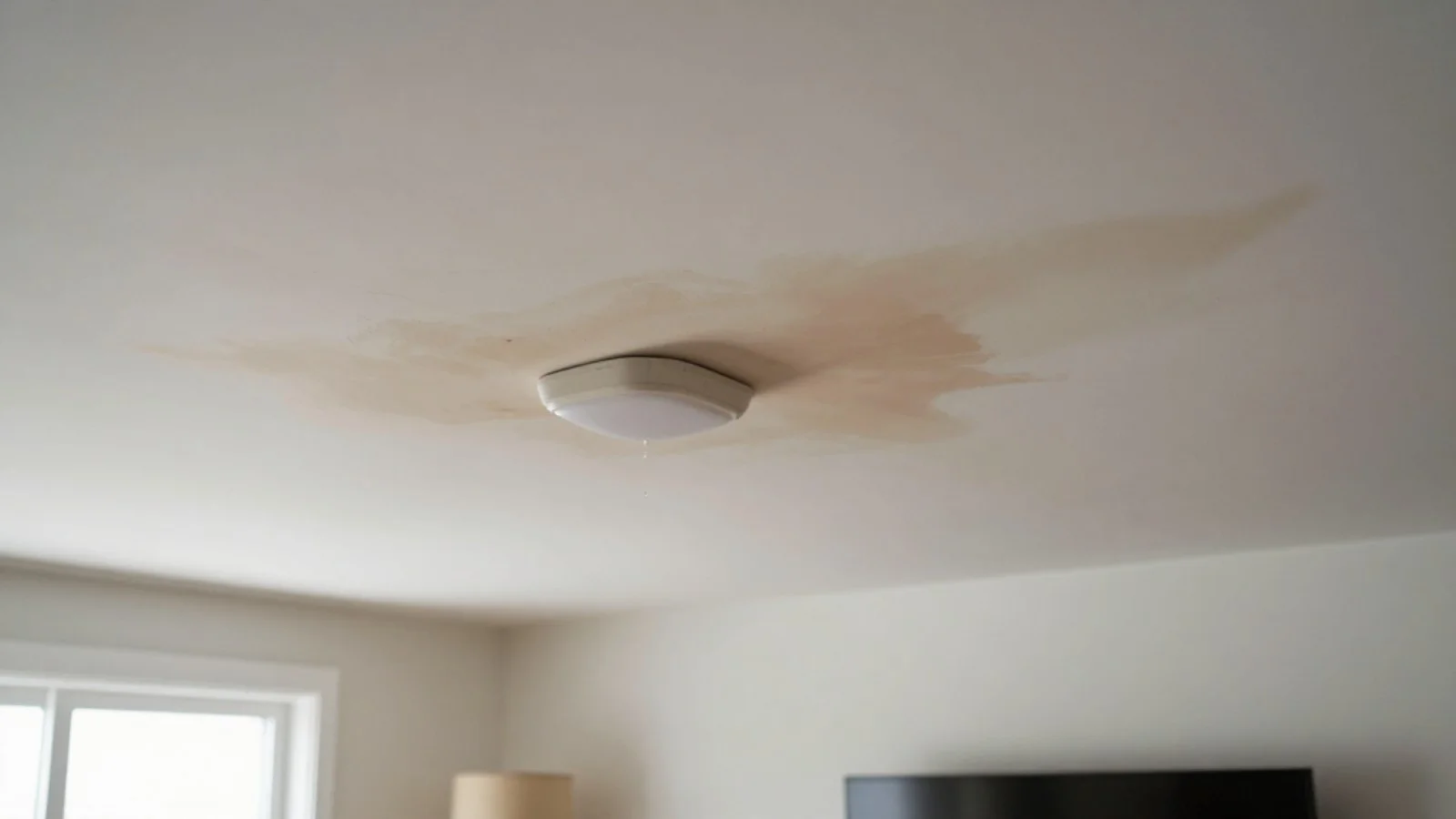
You may notice a ceiling stain, a recurring damp patch, mould that keeps returning, boiler pressure that drops for no clear reason, or flooring that feels wet, warm, or unusual in one area. Those signs matter, but they do not always point directly to the source.
Water moves before it shows. It can track across joists, run along pipe routes, soak into plaster, or appear in the flat below rather than where it started. In tenements and shared buildings, that creates a second problem as well as the leak itself: until the source is established, nobody knows whose pipework or which part of the building is responsible.
That is why repeated plumber visits often fail to resolve hidden leaks. A general plumbing repair can deal with a visible fault. A concealed leak needs a structured investigation first.
If water is near lights, sockets, or the consumer unit, switch off at the mains and do not attempt to investigate yourself.
How it works
How We Approach Leak Detection
We treat leak detection as a managed investigation, not a guess.
Define
We start with the symptom, the property type, and the likely cause area. A boiler losing pressure in a modern home is a different problem from water appearing in a tenement ceiling or ongoing moisture in a commercial plant room.
Measure
We use the methods that fit the problem. That may include acoustic detection to listen for escaping water, thermal imaging to identify unusual heat or moisture patterns, tracer gas to pinpoint concealed leaks, or moisture mapping to track water spread.
Analyse
We interpret the findings against the way the property is built and how the pipework is likely to run. In Central Belt properties, that often means accounting for tenement construction, shared services, older alterations, solid floors, or mixed-use layouts.
Improve
Once we have narrowed down the source, we explain what we found and whether repair is within scope. Where access is needed, we explain exactly what is involved before any further work begins.
Control
You receive written findings and photos showing the outcome of the investigation. That gives you a usable record for insurers, factors, landlords, letting agents, or internal property management.
The Methods We Use
We do not use one tool for every leak. We use the method that best matches the problem in front of us.
Best suited to central heating pipes, mains supplies, underground pipework, and hidden plumbing runs.
The aim in every case is the same: gather evidence first, then decide on access and repair.
Call 01786 619 110
Thermal imaging cameras allow us to pinpoint leaks in hidden underfloor pipes quickly and non-invasively. This means we can detect heat signatures through the floor surface without needing to lift boards or cause unnecessary damage.
What Goes Wrong Without Proper Diagnosis
When the source is not properly identified, people often pay for movement without getting clarity.
The wrong area gets opened. The wrong part gets repaired. Another call-out follows. Damage continues in the background. If insurance is involved, the lack of clear findings can also make trace and access more difficult to support with evidence.
For landlords, delay can also create a documentation problem as well as a repair problem. If a tenant has reported damp, staining, mould, or water ingress, you need evidence of what was investigated and what was found. For commercial properties, the same issue affects decision-making, disruption planning, and insurer or loss adjuster requirements.
Proper leak detection is not an extra step added to the process. In most hidden leak situations, it is the step that stops the wrong steps from happening first.
What Happens When You Book
If you have never booked this kind of service before, the unknown can be part of the stress. We keep the process clear and straightforward.
You tell us what is happening
We ask about the symptoms, the property type, the location, and any previous repair attempts or insurer requests.
We explain the likely scope
Based on what you describe, we explain what the visit is likely to involve and whether leak detection is the right route.
We investigate on site
We test the likely zones using the most appropriate methods for the problem.
We explain what we found
We tell you where the leak appears to be, what is likely causing it, and whether repair is within scope.
We provide written findings
You receive written findings and photos, together with a clear next step. If further access, materials, permissions, or reinstatement are needed, we explain that clearly.
In most cases, we locate the source on the first visit. If we cannot, we explain what we found, what it may mean, and what the next step should be.
Call 01786 619 110What This Means for You
If you are a homeowner, it means clarity before unnecessary disruption. You get a reasoned explanation of what is happening, where the source appears to be, and what the next step should be.
If you own or manage a flat in a tenement, it means evidence. In shared buildings, the first question is often not how to repair it, but where the source actually sits and whose responsibility it is. A clear findings report helps move that forward.
If you are a landlord or letting agent, it means documented investigation. You need more than a verbal opinion when a tenant reports damp, staining, or a recurring leak.
If you manage a commercial property, it means structured investigation with a clear record of cause, location, and next action, so decisions can be made without unnecessary delay.
Call to describe the property and the symptoms and we will advise whether a visit is likely to help.
Transparent Pricing: Clear Scope Before Work Starts
One of the biggest concerns people have before booking is cost. That's why we believe you should know what the investigation is likely to involve before work begins.
Our investigation fees start at £450.
Final cost depends on the property, the symptoms, and the detection methods required, but the scope is discussed with you up front.
Remember, the proper diagnosis first can also help avoid repeat call-outs, unnecessary opening-up, and repairing the wrong area.
All prices are investigation fees unless stated otherwise. Final cost is confirmed after telephone triage. If your insurance policy includes trace and access cover, your insurer may ask for investigation documentation as part of the claims process.
Get a Free QuoteBefore you book
Frequently Asked Questions About Leak Detection
Can't find the answer you need?
Call our team on 01786 619 110Service Coverage
Leak Detection Across Stirling, Edinburgh, Glasgow, and the Central Belt
We cover homes, flats, tenements, rental properties, mixed-use buildings, and commercial premises across the Central Belt.
Whether you are dealing with a hidden heating leak, water ingress from above, an unexplained damp patch, or a leak that nobody has yet been able to locate, the logic is the same: find the source first, then decide on the right repair.
If you suspect a hidden leak, call and describe what is happening. We will help you understand the likely next step and whether a leak detection visit is the right approach.
We serve the following locations near this area. Select a location to view local coverage details.
Edinburgh
Thermal imaging and acoustic leak surveys for residential and commercial properties across the city.
Leak Detection EdinburghGlasgow
Non-invasive pipe tracing and pressure testing across Glasgow's tenements, flats, and new-builds.
Leak Detection GlasgowStirling
Detection services for Stirling and surrounding villages, including rural and agricultural properties.
View Stirling coverage
Don't see your area listed? We cover a wide range of Scottish locations. Contact us to confirm service availability in your postcode.
Our Services
Specialist Leak Detection Services Across the Central Belt
Bathroom, Shower & Wet Room Leaks
For recurring bathroom leaks, shower issues, failed seals, and water tracking into nearby rooms or below.
Central Heating Leak Detection
For boiler pressure loss, hidden heating system leaks, and pipework faults with no visible source.
Trace & Access for Insurance
For documented investigation, written findings, and supporting information your insurer may request.
Emergency Leak Response
For active leaks, incoming water, ceiling damage, or urgent situations where fast advice is needed.
Underfloor Heating Leak Detection
For hidden leaks beneath screeds, concrete floors, and underfloor heating systems.
Commercial Leak Detection
For non-domestic properties, managed buildings, insurers, and loss-adjuster-led investigations.
Mains & Underground Leak Detection
For hidden supply pipe leaks, underground water loss, and unexplained external water issues.
Roof & Building Envelope
For leaks where it is not yet clear whether the source is plumbing, roof ingress, or another building defect.
Not sure which service you need? We'll advise on-site or by phone.
Speak to an engineerSuspect a Leak? Don’t Wait to Find the Source
The longer a hidden leak is left, the more uncertainty, disruption, and damage it can cause.
If you think you may have a leak, call now and tell us what is happening. We will help you understand the likely next step and whether a leak detection survey is the right approach.
Covering Glasgow, Edinburgh, Stirling and the Central Belt.