Commercial Leak Detection
If a commercial property is losing water, affecting occupied space, or involving more than one party, the main requirement is usually not guesswork. It is a clear source finding, controlled disruption, and reporting that can be used after the visit.
We investigate commercial and mixed-use leak scenarios across Stirling, Glasgow, Edinburgh, and the wider Central Belt with a service-led approach built around property type, access realities, and commercially usable documentation.
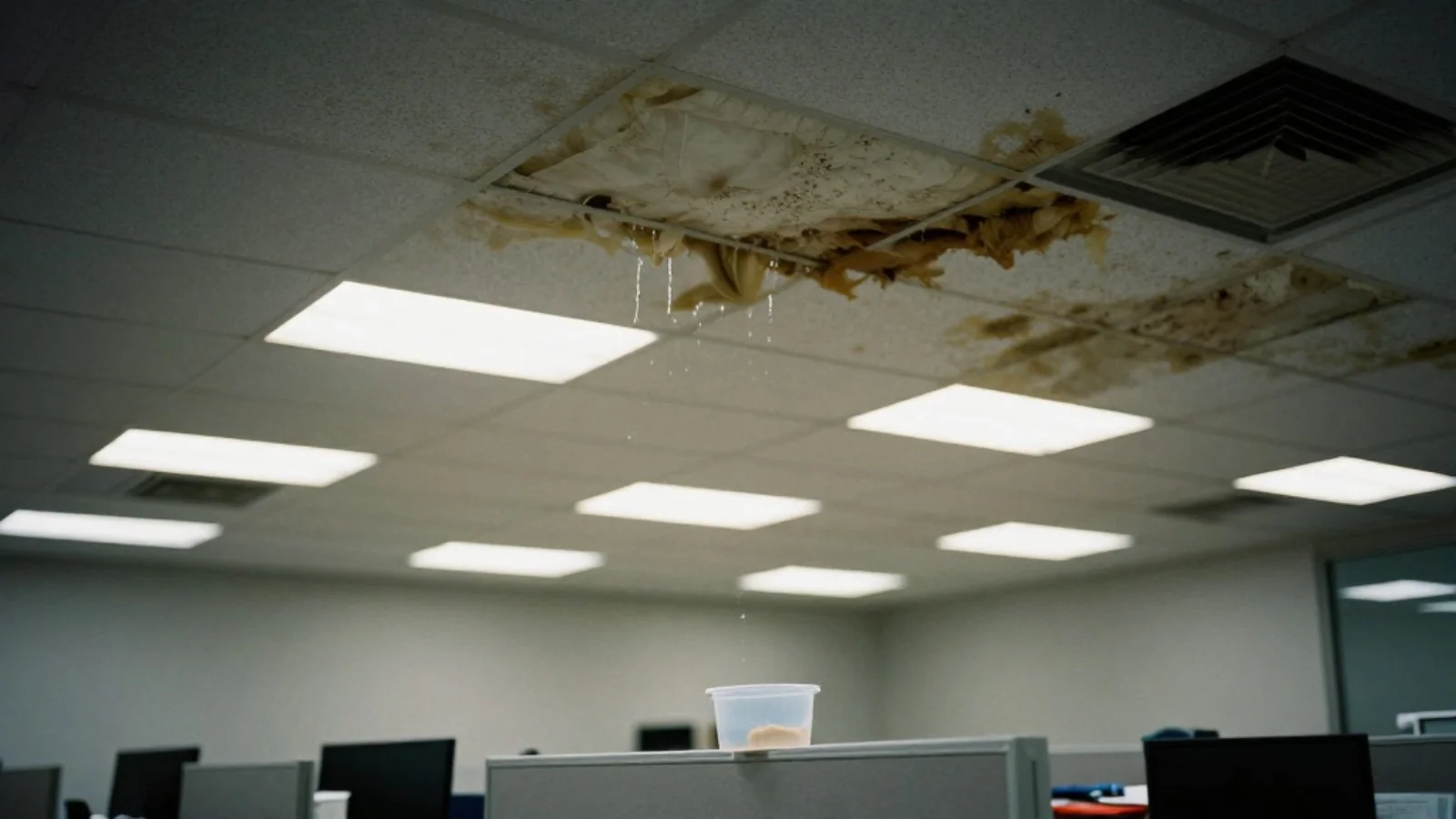
- Metered loss and unexplained ongoing consumption
- Occupied-space disruption and access planning
- Mixed-use or multi-party complexity
- Clear written findings for follow-on decisions
Commercial situations we can route quickly
Offices and managed premises
Useful where occupied areas, washrooms, risers, plant areas, or managed access windows shape the investigation.
Hospitality and guest-facing sites
Useful where the investigation needs to work around trading, guest impact, or reputational sensitivity.
Retail below residential
Useful where visible damage appears in the commercial unit but the source may sit above or in a shared building element.
Industrial and light commercial units
Useful where access, service runs, floor areas, and operational practicality matter as much as the diagnosis itself.
Block-managed and mixed-use buildings
Useful where source evidence affects who needs to act next and how the next discussion is framed.
How the commercial investigation is typically handled
Brief and scope before attendance
We need the property type, symptoms, site constraints, access window, and whether any landlord, tenant, insurer, or other party is already involved.
Testing before any opening-up
The investigation should narrow the likely source area first rather than treating disruptive access as the default starting point.
Clear source findings
The key output is usually where the source appears to sit, what that means operationally, and whether the issue looks private, shared, or multi-party.
Repair where within scope
Where the plumbing repair is within scope and access allows, that can often be progressed. Where wider works are needed, that should be made explicit.
Commercially usable reporting
The handover should be usable by internal teams, landlords, tenants, factors, insurers, or loss adjusters rather than stopping at a minimal job note.
Reporting matters as much as diagnosis in many commercial cases
Commercial instructions often continue beyond the site visit. The findings may need to support insurer or loss-adjuster review, landlord and tenant discussions, facilities records, factor decisions, or water-retailer evidence where metered loss is involved.
That means the output needs to be clear, dated, and usable by more than one party.
Commercial documentation may need to support
- Insurer or loss adjuster evidence
- Landlord and tenant discussions
- Facilities records and internal handover
- Factor or block-manager decisions
- Water retailer evidence where relevant
Commercial questions that usually come up before booking
Can you attend outside normal operating hours?
By arrangement and subject to availability, often yes. If the site is timing-sensitive, include that in the brief from the start.
Can you help where responsibility is unclear in a mixed-use building?
Yes. In many commercial cases the practical value lies in establishing where the source appears to sit before the next decision is made.
What does the report need to cover for commercial use?
Usually what was reported, what was tested, what was found, and what the next step should be. The aim is a handover others can act on.
Can you investigate metered loss?
Yes. Ongoing usage outside normal hours or unexplained water loss is a common reason for commercial investigation.
Can your documentation be used for a commercial insurer or loss adjuster?
We can provide the written findings and photos they may request. We do not manage claims and cannot guarantee insurer acceptance.
Need a commercial investigation with a usable handover?
Send the property type, what is happening on site, who needs the findings, and any access constraints. We will explain the most practical next step.